


S
eattle’s historic Central District was once a majority-Black neighborhood. Today, after decades of gentrification and rising housing costs, the Black population of the Central District has fallen to about 12%.
Now, the Central District Community Preservation and Development Authority (CDCPDA) and Black Legacy Homeowners Network (BLHN) have joined forces to launch a “Black Homeownership Hub” – a resource center for Black homeowners and aspiring homebuyers designed to prevent displacement and build generational wealth in Seattle and beyond.
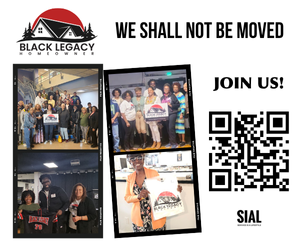
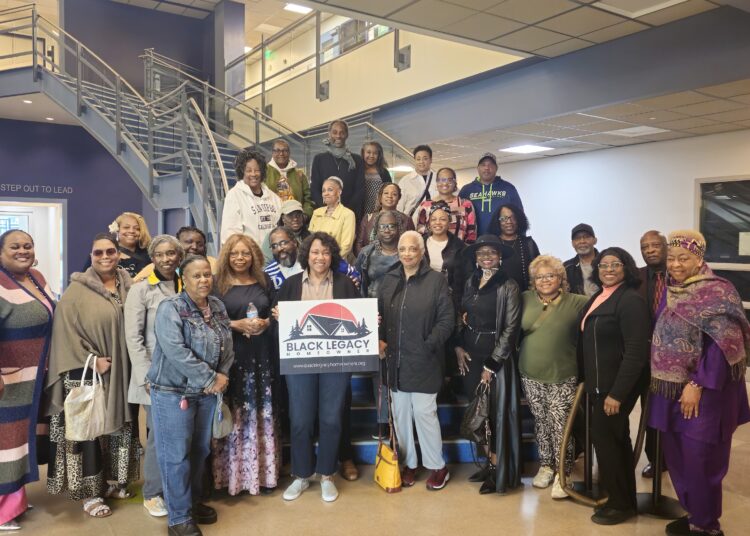
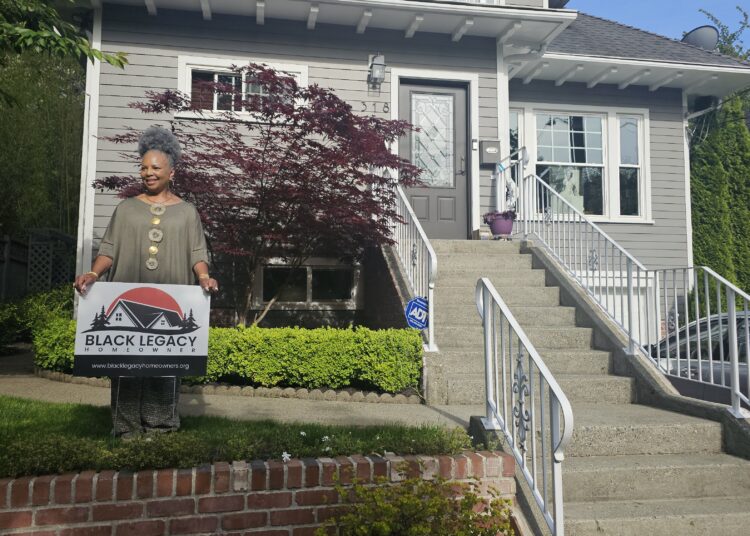
A South Seattle home with a “Black Legacy Homeowners” sign symbolizes a grassroots stand against displacement. Many longtime residents insist “we shall not be moved”
as they band together to keep their properties. These visible markers highlight a growing support network in a city where Black homeownership rates still lag behind those of white residents.
RELATED STORIES


Reversing a History of Displacement
For many Central District families, displacement has been a very real threat – some longtime homeowners found they could no longer afford to stay as property taxes soared. In recent years, residents even reported speculators knocking on doors with cash offers, hoping owners in distress would sell quickly.
Black Seattleites have pushed back by organizing and advocating for change. Chukundi Salisbury formed BLHN in 2021 to help Black homeowners “stay in our homes and stabilize ourselves” and “turn back the tide of gentrification”.
The group also pushes for stronger anti-displacement measures in Seattle’s Comprehensive Plan. But while such policies can help, community-driven efforts like the new Homeownership Hub are critical on the ground.
A Hub to Empower Homeowners
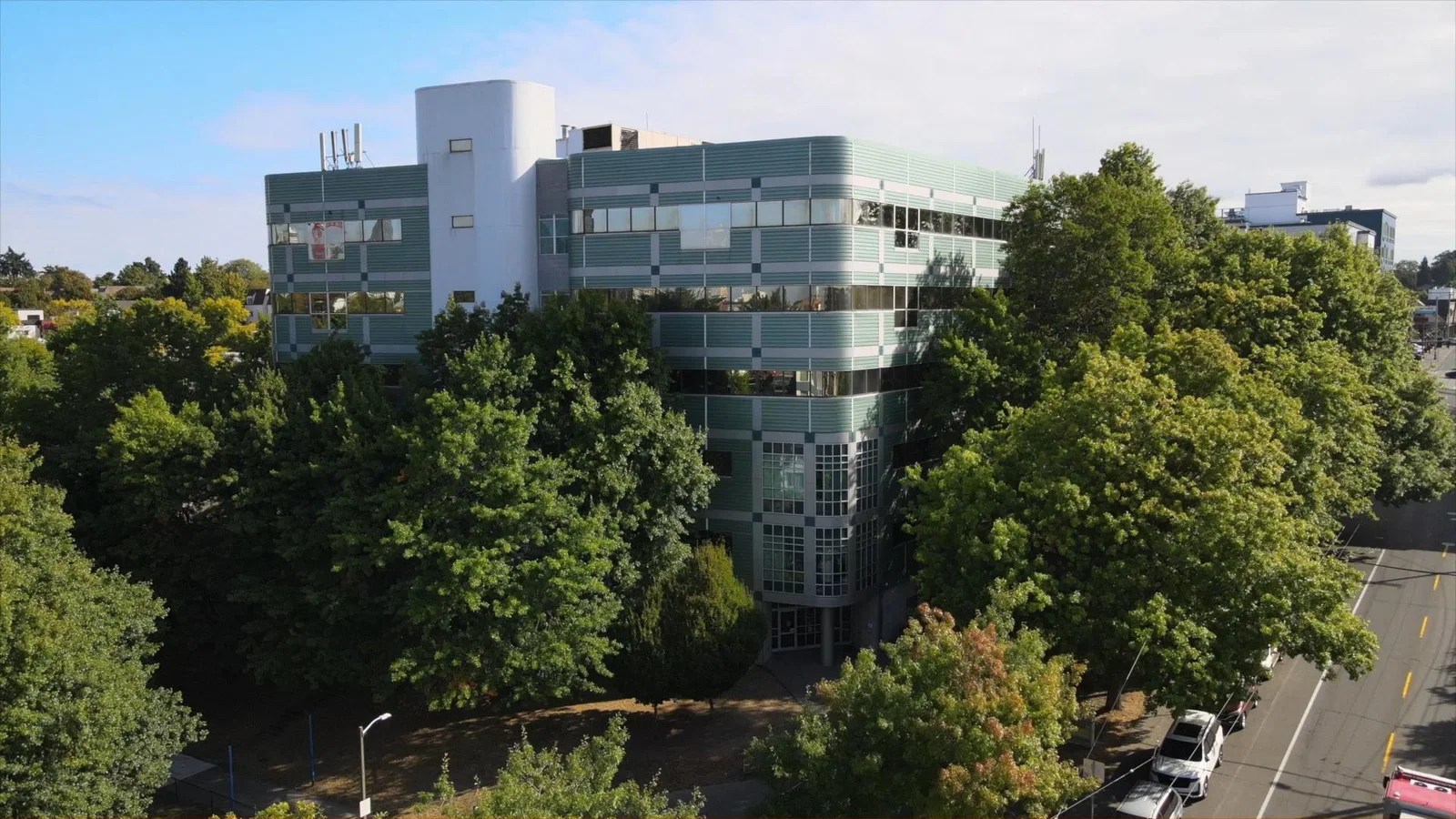
Now, those grassroots efforts are getting a boost through the CDCPDA–BLHO partnership. The Black Homeownership Hub will be located in the heart of the Central District and serve as a one-stop center for Black residents seeking culturally competent tools to protect, expand, and preserve Black-owned property.
Whether it’s a senior needing a home repair or a first-time buyer, the hub will offer guidance, education, and support.
To tackle the issue from all angles, the partnership’s strategy includes:
Keeping families in their homes: Support for existing Black homeowners to stay in place through home repair resources, help with building backyard cottages (ADUs), and access to financial tools to expand generational assets.
Protecting legacy properties: Free estate planning services and deed education to prevent the involuntary loss of Black-owned homes due to probate or title issues.
Preparing new buyers: Resources for aspiring homeowners – including workshops on down payment assistance, financial literacy, credit repair, and homebuyer readiness.
“CDCPDA is honored to partner with Black Legacy Homeowners to center Black families in the conversation around housing justice and equity,” said CDCPDA CEO Shaude’ Moore, emphasizing that the project is “more than a building—it’s a home for empowerment, connection, and ownership”.
Community and Legacy
Beyond its services, the hub will host monthly meetings of BLHN’s Seattle chapter, as well as homeownership clinics, workshops, and other events. It is intended to amplify the voices of families historically excluded from property ownership and neighborhood planning
blacklegacyhomeowners.org. Salisbury notes that Black homeowners “need a safe place to gather, learn, and build together,” calling the partnership “a bold step forward in protecting our roots and investing in a future where Black homeownership thrives”.
More information on the hub’s programs and upcoming events will be released in the coming weeks and organizers hope it will serve as a model for other communities. The ultimate goal is to ensure Black families not only remain in their neighborhoods, but thrive there for generations to come.
Building on the launch of the Black Homeownership Hub, community initiatives are transforming narratives of displacement into stories of opportunity and resilience. The hub offers a comprehensive suite of services—from home repair resources and estate planning to financial literacy workshops—designed specifically for Black homeowners and aspiring buyers. These programs not only shield families from the pressures of soaring property taxes and speculative offers but also empower residents to preserve and grow their assets. Early successes are not merely symbolic; they represent a strategic push to reverse historical trends and affirm a future built on collective ownership and community pride.
Looking ahead, the alliance between the Central District Community Preservation and Development Authority and Black Legacy Homeowners provides a replicable framework for systemic change. By integrating culturally competent services, legislative advocacy, and grassroots mobilization, the hub aims to mitigate displacement pressures while nurturing economic empowerment. Community events, ongoing workshops, and personalized support networks reinforce bonds among residents, ensuring that unique local histories are celebrated. By fostering a deep sense of belonging and purpose, the initiative not only stabilizes neighborhoods today but also sows the seeds for a prosperous legacy tomorrow.
“CDCPDA is honored to partner with Black Legacy Homeowners to center Black families in the conversation around
housing justice and equity”. – CDCPDA CEO Shaude’ Moore
One morning, when Gregor Samsa woke from troubled dreams, he found himself transformed in his bed into a horrible vermin. He lay on his armour-like back, and if he lifted his head a little he could see his brown belly, slightly domed and divided by arches into stiff sections.
A wonderful serenity has taken possession of my entire soul, like these sweet mornings of spring which I enjoy with my whole heart. Even the all-powerful Pointing has no control about the blind texts it is an almost unorthographic life One day however a small line of blind text by the name of Lorem Ipsum decided to leave for the far World of Grammar. The Big Oxmox advised her not to do so, because there were thousands of bad Commas, wild Question Marks and devious Semikoli, but the Little Blind Text didn’t listen.
His room, a proper human room although a little too small, lay peacefully between its four familiar walls. A collection of textile samples lay spread out on the table – Samsa was a travelling salesman – and above it there hung a picture that he had recently cut out of an illustrated magazine and housed in a nice, gilded frame.
It showed a lady fitted out with a fur hat and fur boa who sat upright, raising a heavy fur muff that covered the whole of her lower arm towards the viewer. Gregor then turned to look out the window at the dull weather. Drops of rain could be heard hitting the pane, which made him feel quite sad.